
Regenerative Injections for Joints and Tendons
Regenerative injections is the heading this publication uses for PRP and prolotherapy aimed at a sore joint or tendon. The substance differs from one injection to the next, so the first question is always what goes into the needle.
What gets injected
PRP is the easiest of these to pin down. OrthoInfo defines it plainly: PRP is plasma with many more platelets than what is typically found in blood. That makes the injection a concentrate of something the body already carries, and it is the detail to ask about when a clinic offers it.
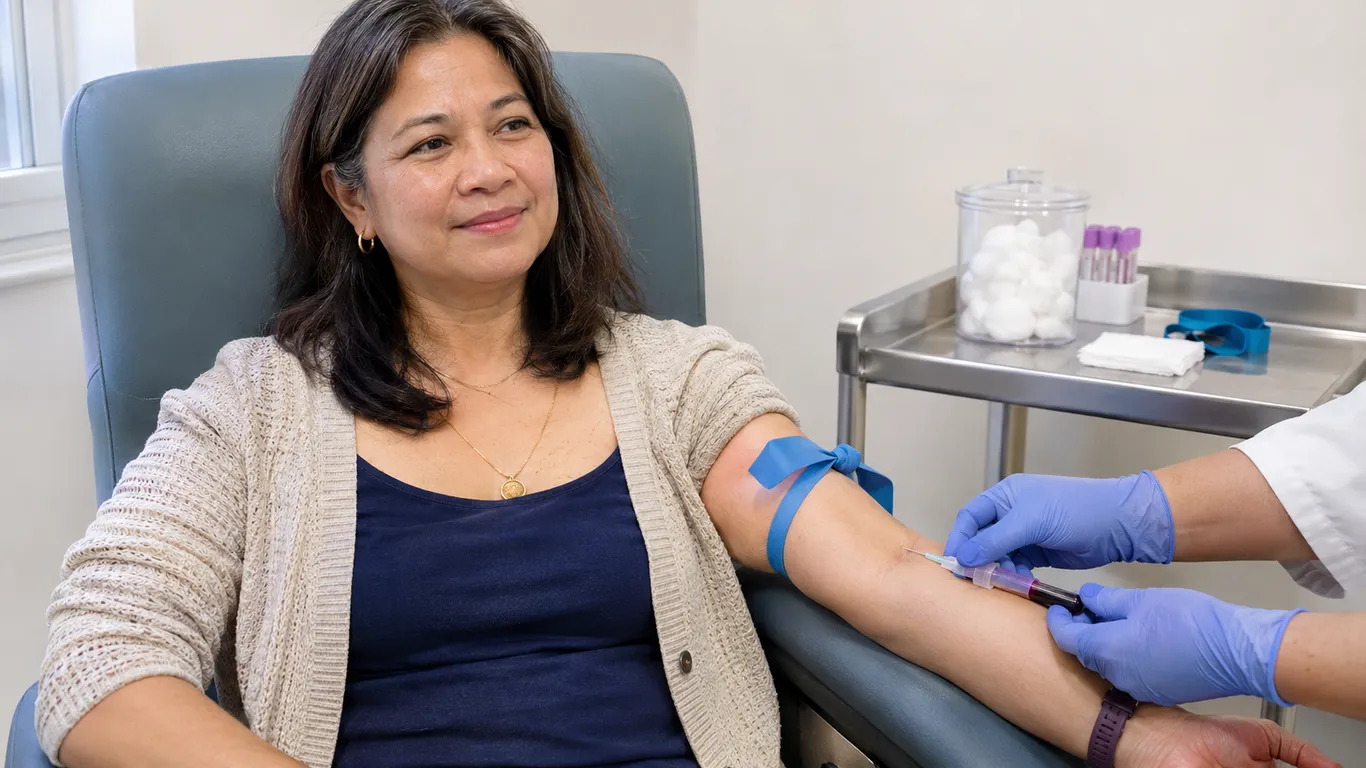
How the problem builds before an injection comes up
One place the questions start is a shoulder that stays sore after rest. Cleveland Clinic describes how rotator cuff injuries are treated, and OrthoInfo covers rotator cuff tears, which puts an injection beside the other options. For a Parker reader whose knee or back keeps complaining on ordinary days, the same habit helps: follow the first sign, note what changes it, and bring that record to the appointment.
Four guides, by joint and injection
- PRP for knee osteoarthritis covers a knee with osteoarthritis and what PRP is meant to do there.
- Dextrose prolotherapy for chronic musculoskeletal pain covers prolotherapy for pain that has lasted in muscles, ligaments or joints.
- Prolotherapy for chronic spinal pain covers the same family of injections when the pain sits in the spine.
- Platelet-rich plasma injections starts with what PRP is, for readers who want the basics first.
Note where it hurts and for how long
Before picking a guide, write down where the pain sits and how long it has stayed. That one note sends you to the right guide, and it is worth bringing to the appointment.